What are the benefits of chia seeds for women?
Chia seeds can offer a variety of potential health benefits for women, including:
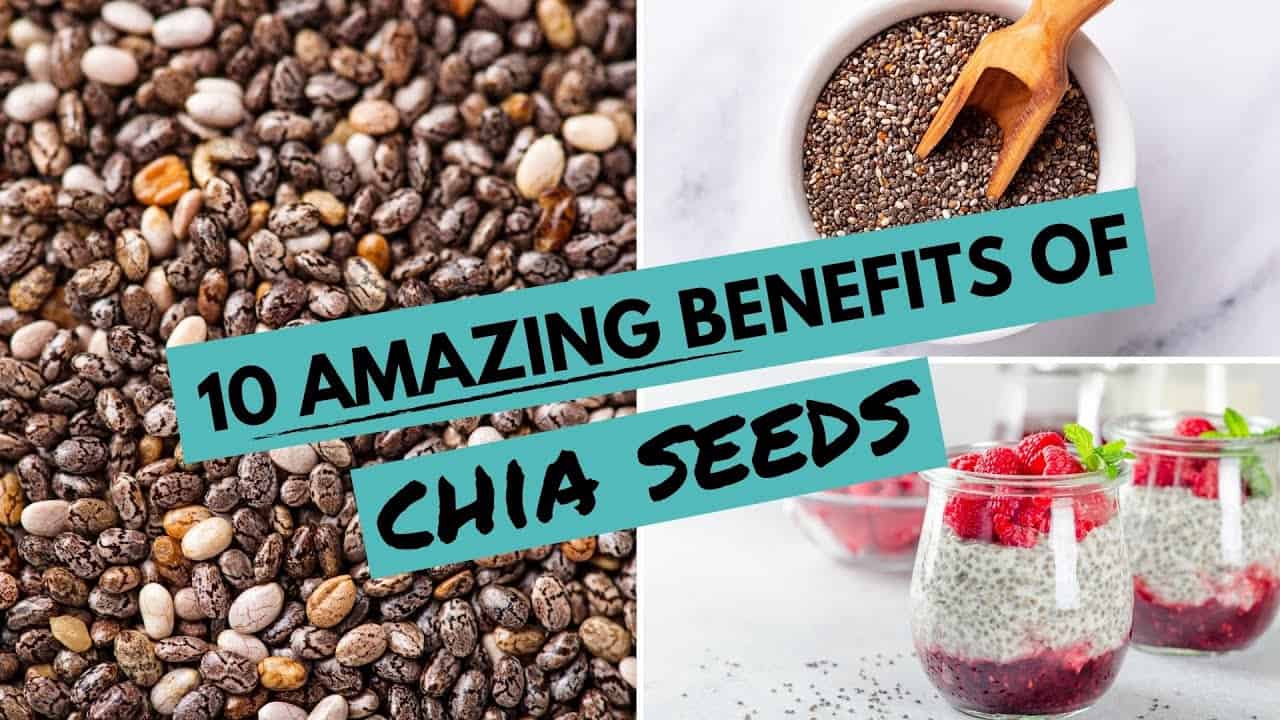
Nutrition:
- Rich in nutrients: Chia seeds are packed with essential nutrients like protein, fiber, omega-3 fatty acids, iron, calcium, and antioxidants. These contribute to overall health and well-being.
- Fiber power: Chia seeds are a fantastic source of fiber, which aids digestion, keeps you feeling full longer, and promotes gut health.
- Hormonal balance: Some studies suggest chia seeds may help regulate hormones due to their omega-3 and fiber content. This could be beneficial for menstrual regularity and menopausal symptoms.
Specific health benefits:
- Bone health: The calcium and protein in chia seeds contribute to strong bones, reducing the risk of osteoporosis, especially important for women as they age.
- Heart health: The omega-3 fatty acids and fiber in chia seeds can help lower cholesterol and blood pressure, reducing the risk of heart disease.
- Reproductive health: Studies suggest chia seeds may improve egg quality and ovulation regularity, potentially benefiting women trying to conceive.
- Skin and hair health: Chia seeds' antioxidants and omega-3s may contribute to healthier skin and hair by reducing inflammation and promoting hydration.
Additional benefits:
- Energy boost: Chia seeds' slow-releasing carbohydrates and fiber provide sustained energy, keeping you feeling energized throughout the day.
- Weight management: The fiber and protein in chia seeds can help you feel full and reduce cravings, potentially aiding in weight management.
- Versatile food: Chia seeds are incredibly versatile and can be easily incorporated into various dishes, from smoothies and yogurt to baked goods and savory meals.
It's important to remember that individual results may vary, and chia seeds should be consumed as part of a balanced diet for optimal health. Additionally, if you have any underlying health conditions, it's best to consult your doctor before making significant dietary changes.

Comments
Post a Comment
Thanks