How do the average IQs rank by profession. Which professions have the highest IQs?
While it's tempting to categorize different professions by average IQ, it's important to understand the limitations and potential biases involved in doing so.
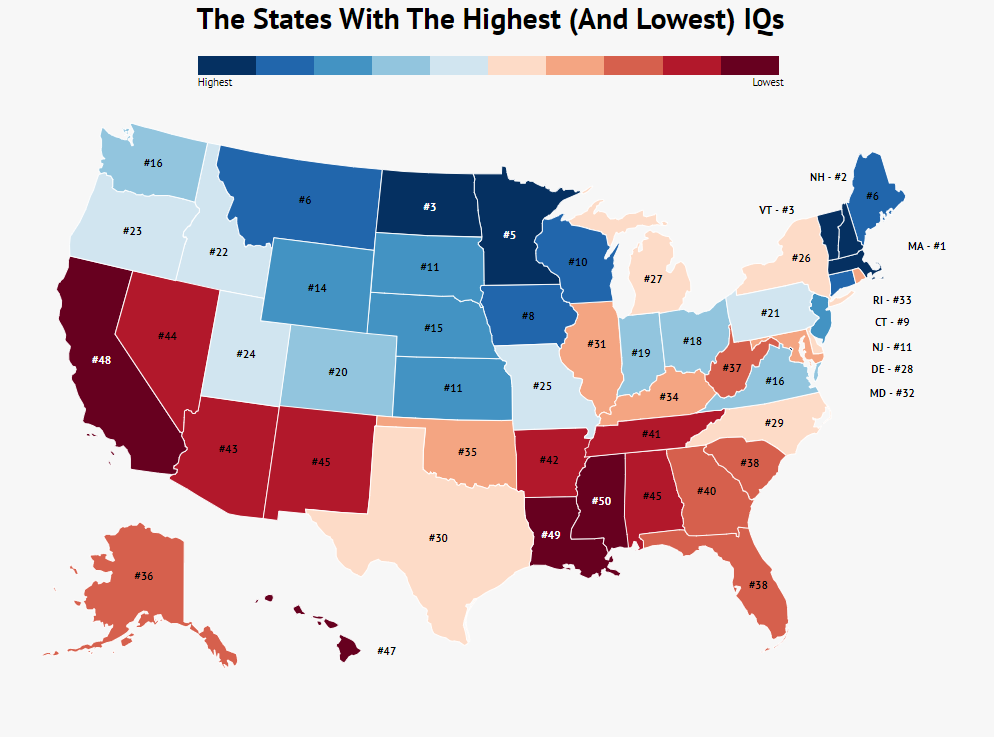
Here's why relying solely on average IQ rankings by profession can be misleading:
1. Limitations of IQ tests:
- IQ tests measure specific cognitive abilities, but they don't capture the full range of skills and aptitudes needed for success in different professions.
- IQ scores can be influenced by various factors like cultural background, socio-economic status, and test-taking skills, not just inherent intelligence.
2. Biases and stereotypes:
- Associating certain professions with higher or lower IQ can perpetuate harmful stereotypes and reinforce biases against certain groups.
- Focusing solely on IQ ignores other crucial factors like creativity, teamwork, work ethic, and emotional intelligence, which are essential for success in many professions.
3. Individual variability within professions:
- There's significant individual variability within each profession, meaning there will be a wide range of IQ scores among people in the same field.
- Focusing on averages can obscure the individual talents and abilities of people working in various professions.
4. Focus on skills and contributions:
- Instead of ranking professions based on IQ, it's more productive to consider the specific skills and contributions each profession makes to society.
- Every profession plays a valuable role, and judging them based on average IQ does not reflect their true worth.
Therefore, it's recommended to avoid using average IQ rankings as a definitive measure of professional success or the value of a particular profession.
If you're interested in learning more about different professions, it's best to gather information on the specific skills, knowledge, and aptitudes required for each one, rather than relying on potentially misleading IQ stereotypes.

Comments
Post a Comment
Thanks