What are the best things for mental health?
Mental health is all about feeling good emotionally and psychologically. There isn't a one-size-fits-all answer to what's best, but here are some key areas that can contribute to good mental health:
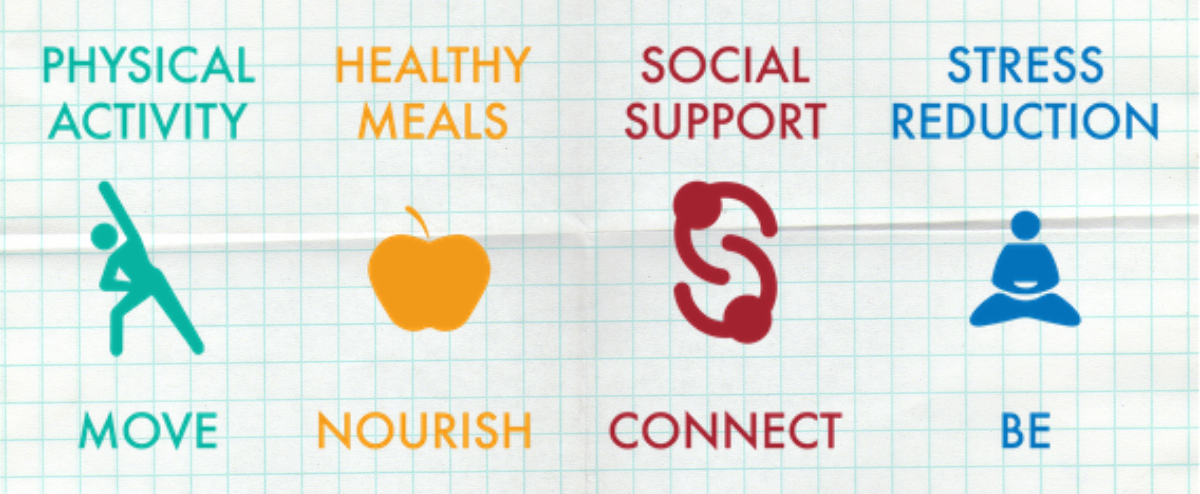
Healthy Habits:
- Regular exercise: Physical activity is a well-established mood booster. It releases endorphins, natural chemicals in the brain that have mood-lifting and stress-reducing effects.
- Healthy diet: Eating a balanced diet rich in fruits, vegetables, and whole grains can improve your mood and energy levels.
- Quality sleep: Aim for 7-8 hours of quality sleep each night. Poor sleep can worsen anxiety and depression.
- Mindfulness practices: Techniques like meditation, yoga, and deep breathing can help manage stress, improve focus, and promote relaxation.
Social Connection:
- Strong relationships: Having strong social connections with friends, family, and loved ones is vital for mental well-being. Social interaction provides support, belonging, and a sense of purpose.
- Spend time with loved ones: Make time for activities you enjoy with people who care about you.
- Reduce social media: Excessive social media use can be linked to feelings of inadequacy and loneliness.
Positive self-care:
- Challenge negative thoughts: We all have negative thoughts sometimes, but it's important to challenge them and focus on the positive.
- Practice gratitude: Taking time to appreciate the good things in life can boost your mood and overall well-being.
- Help others: Helping others is a great way to improve your mood and sense of purpose. Volunteer your time or do something nice for someone in need.
- Set realistic goals: Setting achievable goals and celebrating your accomplishments can boost your self-esteem and motivation.
- Take breaks: Don't be afraid to take breaks when you need them. It's important to allow yourself time to relax and recharge.
Seeking professional help:
- If you're struggling with your mental health, don't hesitate to seek professional help. Therapists can provide support, guidance, and tools to manage mental health challenges.
Remember, mental health is a journey, not a destination. There will be ups and downs, but by incorporating healthy habits, nurturing social connections, and prioritizing self-care, you can build resilience and improve your overall mental well-being.

Comments
Post a Comment
Thanks